
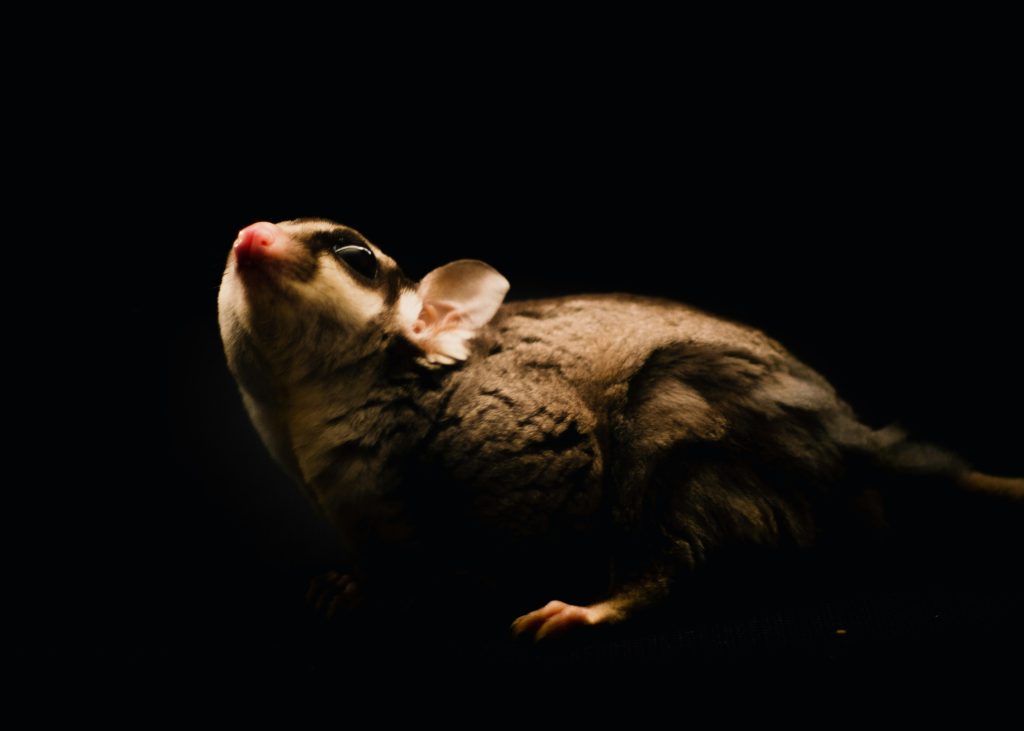
Choosing the right cage is critical for sugar glider health and happiness. Understanding what size cage for sugar glider ensures proper space for climbing, jumping, and social interaction. Sugar Glider Facts explains practical recommendations for adults and babies.
Why Cage Size Matters
Sugar gliders are active, social animals. A small cage limits movement and causes stress. Proper cage size improves:
- Physical health
- Mental stimulation
- Social interaction
Knowing the minimum sugar glider cage size helps you create a safe environment.
Minimum Sugar Glider Cage Size
Experts recommend:
- Single adult: At least 24 x 24 x 36 inches
- Pair of adults: Minimum 30 x 30 x 36 inches
Cages should be taller than wide. Vertical space allows climbing and gliding.
Baby Sugar Glider Cage Size
For babies or joeys:
- Minimum 16 x 16 x 24 inches
- Short-term use before joining adult cage
Provide climbing branches and soft bedding. Upgrade size as they grow.
Sugar Glider Cage Size Recommendations
A proper cage should include:
- Multiple levels and platforms
- Horizontal and vertical bars for climbing
- Safe spaces for nesting and hiding
- Room for toys, hammocks, and feeding dishes
Taller cages allow gliders to leap between levels. Sugar Glider Facts recommends at least 36 inches in height for adult cages.
Cage Size for Two Sugar Gliders
When housing two gliders:
- Minimum 30 x 30 x 36 inches
- Extra platforms and hammocks
- Separate feeding areas to prevent competition
More space reduces stress and promotes bonding.
Cage Size for One Sugar Glider
Even a single glider needs vertical space. Minimum:
- 24 x 24 x 36 inches
- Room for climbing, jumping, and toys
Providing height is more important than floor area.
Features to Consider Alongside Size
Besides size, ensure:
- Bar spacing: 1/2 inch or less to prevent escape
- Easy access doors for cleaning
- Durable materials resistant to chewing
- Ventilation and visibility
Accessories should complement space, not overcrowd.
Tips for Maximizing Cage Space
- Add vertical shelves and ladders
- Use hanging hammocks to free floor space
- Rotate toys to encourage movement
- Place water bottles and food in corners
Efficient use of space keeps gliders active and healthy.
Common Mistakes
- Using wide but short cages
- Overcrowding toys or accessories
- Underestimating height importance
- Keeping babies in adult-sized cages without adjustments
Sugar Glider Facts emphasizes vertical space and multiple levels.
Maintaining Cage Comfort
- Provide fresh bedding
- Clean cage regularly
- Rearrange climbing structures occasionally
- Monitor for stress signs such as inactivity or aggression
Proper cage size combined with maintenance ensures a happy glider.
Conclusion
Knowing what size cage does 1 sugar glider need and what size cage for 2 is essential. Minimum sugar glider cage size for adults starts at 24 x 24 x 36 inches. Pairs require larger space with platforms and climbing areas. Baby sugar gliders start smaller but need an upgrade as they grow. Vertical space and multiple levels are more important than floor area. Following Sugar Glider Facts guidance ensures a safe, stimulating, and healthy environment.
FAQs
1. What is the minimum sugar glider cage size?
At least 24 x 24 x 36 inches for a single adult and 30 x 30 x 36 inches for a pair.
2. What size cage does 1 sugar glider need?
Minimum 24 x 24 x 36 inches with vertical climbing space and platforms.
3. What size cage is recommended for two sugar gliders?
Minimum 30 x 30 x 36 inches. Extra platforms and hammocks help reduce stress.
4. What size cage do baby sugar gliders need?
16 x 16 x 24 inches is sufficient for young joeys before they move to adult cages.
5. Why is cage height important for sugar gliders?
Sugar gliders climb and glide. Vertical space allows natural movement, exercise, and mental stimulation.


