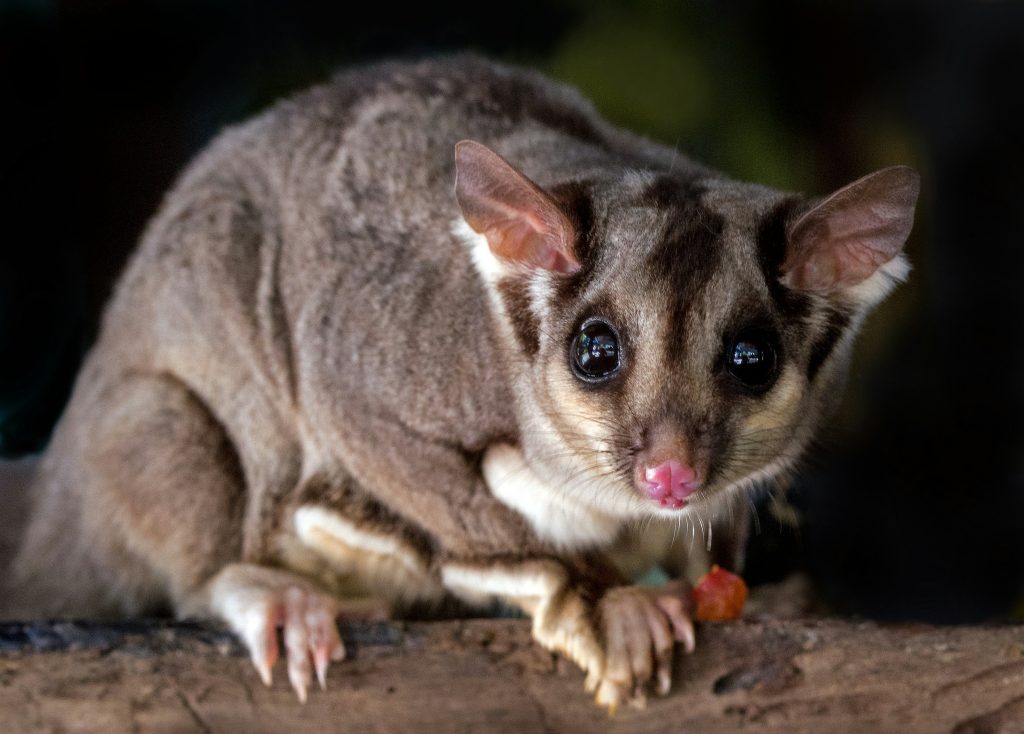
Keeping a sugar glider cage clean is essential. Dirty cages can cause infections and stress for your pet. Understanding how to clean a sugar glider cage properly improves health and hygiene. Sugar Glider Facts provides practical steps to make cleaning easy.
Why Cage Cleaning Matters
Sugar gliders are sensitive animals. A dirty cage leads to:
- Bad odors
- Bacterial growth
- Stress and illness
Regular cleaning supports their well-being and keeps your home fresh.
How Often to Clean Your Sugar Glider Cage
- Daily: Remove uneaten food and droppings
- Weekly: Wash accessories and replace bedding
- Monthly: Deep clean entire cage
Consistency prevents buildup and keeps sugar gliders safe.
Supplies You Need
To clean efficiently, gather:
- Mild, non-toxic soap
- Warm water
- Soft cloths or sponges
- Brush for wire bars
- Spray bottle for disinfectant safe for pets
Sugar Glider Facts recommends using cleaning products labeled safe for small mammals.
Step 1: Remove Sugar Gliders
Place your sugar gliders in a safe, temporary enclosure. This prevents stress or accidental contact with cleaning agents.
Step 2: Remove Accessories and Bedding
Take out:
- Hammocks
- Toys
- Food and water dishes
- Bedding or paper liners
Separate items that need washing from items to be discarded.
Step 3: Wash Accessories
Wash dishes, toys, and hammocks in warm, soapy water. Rinse thoroughly. Avoid harsh chemicals or strong scents.
Step 4: Clean the Cage Interior
Use warm water and mild soap to scrub:
- Wire bars
- Cage floor
- Corners and crevices
For tough grime, use a soft brush. Rinse thoroughly to remove soap residue.
Step 5: Deep Clean Periodically
How to deep clean a sugar glider cage:
- Soak removable trays and bars in warm, soapy water
- Scrub all surfaces
- Rinse and dry completely before reassembling
Deep cleaning prevents bacteria that daily cleaning might miss.
Step 6: Apply Safe Disinfectant
Use a pet-safe disinfectant spray. Wipe surfaces and let air dry. Ensure no residue remains. Avoid bleach or ammonia-based cleaners.
Step 7: Replace Bedding and Accessories
Add fresh bedding or liners. Return washed toys, hammocks, and dishes. Check that everything is dry to prevent mold.
Step 8: Return Sugar Gliders
Place sugar gliders back in their clean cage. Observe them for a few minutes to ensure comfort. Clean cages reduce stress and support healthy habits.
Best Practices for Cage Maintenance
- Remove uneaten food daily
- Rotate and clean toys weekly
- Monitor cage for odors or damp spots
- Keep water bottles and dishes clean
Regular attention reduces cleaning time and improves pet health.
Common Mistakes to Avoid
- Using harsh chemicals
- Leaving soap residue
- Skipping deep cleaning
- Ignoring droppings and food buildup
Following Sugar Glider Facts recommendations prevents health risks.
Tips for Efficient Cleaning
- Clean in sections if cage is large
- Use multiple cloths for different areas
- Schedule weekly deep cleaning for consistency
Preparation makes cleaning faster and safer for you and your sugar gliders.
Conclusion
Learning how to clean a sugar glider cage properly protects your pet from disease and stress. Daily spot cleaning, weekly accessory washing, and monthly deep cleaning create a safe environment. Use mild soap, pet-safe disinfectants, and fresh bedding for best results. Sugar Glider Facts provides step-by-step guidance to make cage maintenance simple and effective.
FAQs
1. What is the best way to clean a sugar glider cage?
Use mild soap, warm water, and pet-safe disinfectants. Clean daily droppings and food, wash accessories weekly, and deep clean monthly.
2. How do you clean a sugar glider cage without stressing them?
Move sugar gliders to a safe temporary enclosure while you clean. Return them once the cage is completely dry.
3. How do you deep clean a sugar glider cage?
Remove all items, scrub cage and accessories with warm soapy water, rinse thoroughly, apply pet-safe disinfectant, and replace bedding.
4. What do you use to clean a sugar glider cage?
Mild soap, warm water, soft brushes, cloths, and pet-safe disinfectants. Avoid bleach or ammonia-based cleaners.
5. How often should a sugar glider cage be cleaned?
Daily for droppings and food, weekly for accessories, and monthly for a full deep clean.