
Sugar gliders are small, social marsupials. They bond closely with their owners. Before bringing one home, you need to ask a key question.
What is the life expectancy of a sugar glider?
The answer affects your time, money, and commitment.
Let’s break it down clearly.
What Is the Life Expectancy of a Sugar Glider
The average life expectancy of a sugar glider depends on environment and care.
• In captivity: 10 to 15 years
• In rare cases with excellent care: up to 18 years
• In the wild: 3 to 9 years
That is a major difference. A well cared for pet lives twice as long as one in the wild.
If you plan to adopt one, think long term. A sugar glider is not a short commitment.
Average Life Expectancy of a Sugar Glider in Captivity
The average life expectancy of a sugar glider in captivity ranges between 10 and 15 years.
Why longer in captivity?
• Regular food supply
• Safe housing
• No predators
• Access to veterinary care
But long life does not happen by accident. Poor diet and isolation shorten lifespan.
At Sugar Glider Facts, we often see new owners underestimate how much care these animals need.
What Impacts Sugar Glider Life Expectancy in Captivity
Several factors influence lifespan:
1. Diet Quality
Sugar gliders need:
• Fresh fruits and vegetables
• Protein such as insects or cooked eggs
• Calcium balanced supplements
An improper calcium to phosphorus ratio leads to metabolic bone disease. This condition weakens bones and shortens life.
Avoid feeding only fruit. High sugar diets lead to obesity and organ problems.
2. Social Interaction
Sugar gliders are colony animals. Isolation causes stress.
Chronic stress leads to:
• Self mutilation
• Depression
• Weak immune system
Keep at least two gliders together. Or give daily bonding time if you keep one.
3. Cage Size and Enrichment
Small cages reduce movement. Less movement increases obesity risk.
Provide:
• Tall cage for climbing
• Exercise wheel
• Branches and pouches
• Safe chew toys
Physical activity supports heart health and mental stimulation.
4. Veterinary Care
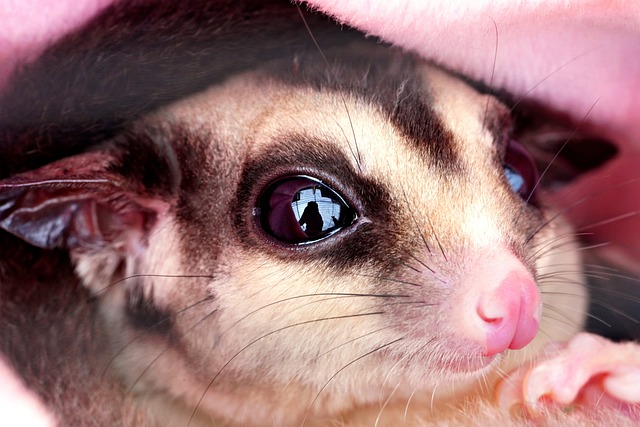
Exotic vets matter.
Annual checkups catch:
• Parasites
• Dental issues
• Early organ disease
Early detection increases lifespan.
Sugar Glider Life Expectancy in the Wild
Sugar glider life expectancy in the wild is much shorter.
Most wild gliders live 3 to 5 years. Some reach 8 or 9 years.
Why so short?
• Predators such as owls and snakes
• Food shortages
• Harsh weather
• Infections
• Injuries
Wild life is unpredictable. Captive life removes many of these risks.
Key Differences Between Wild and Captive Lifespan
Wild:
• Shorter lifespan
• High predator risk
• Unstable food supply
Captive:
• Longer lifespan
• Controlled diet
• Medical support
• Safe shelter
Your role as an owner directly affects which outcome your glider experiences.
How to Ensure a Long Life for Your Sugar Glider
You control most lifespan factors.
Here are clear actions you should take.
Provide a Balanced Diet
Follow a proven feeding plan.
Daily essentials:
• 25 to 40 percent protein
• Fresh produce
• Calcium supplementation
Rotate foods. Monitor weight monthly.
Maintain Proper Housing
Choose a cage at least 24 by 24 by 36 inches.
Keep temperature between 70 and 80 degrees Fahrenheit.
Clean cage weekly. Remove waste daily.
Good hygiene reduces bacterial infections.
Offer Social Companionship
Do not ignore their social needs.
If you work long hours:
• Keep two gliders
• Schedule bonding time at night
• Use bonding pouches
Strong bonding reduces stress hormones.
Schedule Routine Vet Visits
Find an exotic animal vet before buying your pet.
Annual exams detect problems early. Early treatment increases survival rates.
Prevent Obesity
Obesity shortens lifespan.
Watch for:
• Reduced activity
• Fat around tail base
• Rapid weight gain
Encourage climbing and wheel exercise daily.
Common Health Problems That Affect Life Expectancy
Knowing risks helps you prevent them.
Metabolic bone disease
Caused by calcium imbalance. Leads to fractures and weakness.
Obesity related liver disease
Linked to high sugar diets.
Dental disease
Caused by poor diet and lack of chewing materials.
Stress related self mutilation
Often due to loneliness or poor environment.
Each issue reduces the average life expectancy of a sugar glider.
Is a Sugar Glider the Right Long Term Pet for You
Ask yourself:
• Are you ready for 10 to 15 years of care
• Do you have time every evening for interaction
• Can you afford exotic vet bills
• Are you prepared for specialized diet planning
These animals demand commitment. They are not low maintenance pets.
Many readers at Sugar Glider Facts tell us they did not expect the long lifespan before research.
Now you know.
Final Thoughts on Sugar Glider Life Expectancy
What is the life expectancy of a sugar glider?
In captivity, 10 to 15 years with proper care. In the wild, often under 6 years.
You influence which number becomes reality.
Focus on diet, social bonding, housing, and medical care. Small daily actions extend your pet’s life.
If you want detailed feeding guides and housing checklists, explore more resources at Sugar Glider Facts.
FAQs
- What is the average life expectancy of a sugar glider in captivity
Most live 10 to 15 years with proper nutrition, companionship, and veterinary care. - What is sugar glider life expectancy in the wild
Wild sugar gliders often live 3 to 5 years due to predators and environmental risks. - Does diet affect sugar glider lifespan
Yes. Poor calcium balance and high sugar intake reduce lifespan significantly. - Do sugar gliders live longer in pairs
Yes. Social companionship reduces stress and improves mental health, which supports longer life. - What shortens a sugar glider’s life the most
Improper diet, loneliness, obesity, and lack of veterinary care are the main factors.


