Introduction to Sugar Gliders
Sugar gliders are small, tree-dwelling marsupials. They look like flying squirrels, but they are not related. They glide using a thin membrane that stretches from wrist to ankle.
If you plan to own one, you need to understand one thing first. What is the habitat of a sugar glider? Without the right environment, health and behavior problems begin fast.
What Is the Habitat of a Sugar Glider?
Sugar gliders live in Australia, Indonesia, and Papua New Guinea. Their natural home is dense forest. They prefer eucalyptus forests and woodlands with tall trees.
The sugar glider natural habitat includes:
• Tall trees for gliding
• Tree hollows for nesting
• Warm climate
• High humidity
• Social colonies
These conditions shape their behavior and needs.
Sugar Glider Natural Habitat
In the wild, sugar gliders live high above the ground. They rarely stay on forest floors. Trees provide safety from predators and access to food.
They nest inside tree hollows. One hollow often houses a group of 6 to 10 gliders. This social structure helps them stay warm and protected.
According to Sugar Glider Facts, gliders travel up to 150 feet in one glide. That requires vertical space and strong tree networks.
Sugar Glider Habitat in the Wild
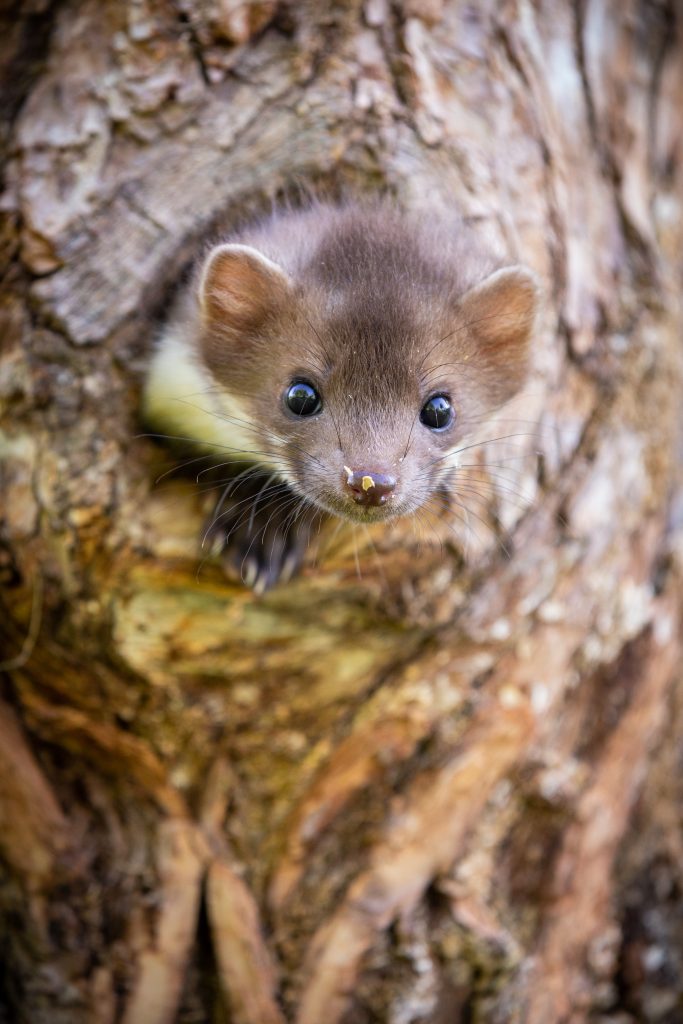
The sugar glider habitat in the wild depends on forest density. Thick canopy cover allows smooth gliding from tree to tree.
They are nocturnal. During the day, they sleep in nests. At night, they search for food.
Their lifestyle includes:
• Climbing
• Gliding
• Foraging
• Grooming in groups
This pattern defines their sugar glider habitat and lifestyle.
Sugar Glider Habitat and Diet
Habitat affects diet. Forest environments provide sap, nectar, pollen, insects, and small vertebrates.
The sugar glider habitat and diet connection is strong. In eucalyptus forests, they feed on tree sap. In mixed forests, they eat more insects.
Seasonal changes also impact food sources. During dry seasons, they rely more on insects for protein.
If you keep one as a pet, you must copy this diversity. A poor diet leads to calcium deficiency and weakness.
Sugar Glider Habitat Facts
Here are key sugar glider habitat facts:
• They prefer temperatures between 70°F and 90°F
• They live in groups, not alone
• They glide up to 150 feet
• They mark territory using scent glands
• They spend most time above ground
These traits explain why cage size and setup matter in captivity.
Sugar Glider Habitat Requirement in Captivity
Now let’s talk about pet environments.
The sugar glider habitat requirement in a home differs from the wild, but core needs remain the same.
You must provide:
• Vertical space
• Social companionship
• Warm temperature
• Mental stimulation
• Proper diet
Sugar gliders suffer when isolated. A single glider often shows stress signs such as over grooming or loss of appetite.
Sugar Glider Facts reports that paired gliders live longer and show better behavior stability.
Sugar Glider Habitat Cage Setup
The sugar glider habitat cage must be tall. Height matters more than width.
Minimum cage size for two gliders:
• 24 inches wide
• 24 inches deep
• 36 inches tall
Bigger is better.
Bar spacing should not exceed 0.5 inches. Metal cages with powder coating work best. Avoid wooden cages because they absorb urine and odors.
Place the cage in a quiet room. Avoid direct sunlight.
Sugar Glider Habitat Temperature
Temperature control is critical.
The ideal sugar glider habitat temperature is between 70°F and 85°F.
Below 65°F, gliders risk cold stress. Above 90°F, heat stress begins.
Keep the cage away from:
• Air conditioners
• Heaters
• Drafty windows
Stable temperature supports immunity and energy levels.
Sugar Glider Habitat Accessories
Accessories improve mental health.
Essential sugar glider habitat accessories include:
• Fleece sleeping pouches
• Climbing ropes
• Branches
• Exercise wheels with solid surfaces
• Foraging toys
Rotate toys weekly to prevent boredom. Mental stimulation reduces destructive behavior.
Creating a Natural-Like Environment at Home
You cannot recreate a forest, but you can simulate core elements.
Use vertical layouts. Install branches at different heights. Offer hiding spots.
Keep lighting dim during the day. Sugar gliders sleep in darkness.
Reduce loud noises. They respond strongly to stress triggers.
Follow guides from Sugar Glider Facts to match diet and habitat correctly.
Common Habitat Mistakes Owners Make
Many new owners choose small cages. This limits movement and increases stress.
Another mistake is keeping one glider alone. They are colony animals.
Ignoring temperature shifts also causes health issues.
Poor cleaning routines lead to odor buildup and bacterial growth.
Avoid these errors early.
Conclusion
Understanding what is the habitat of a sugar glider helps you make better care decisions. In the wild, they live in warm forests with tall trees and strong social bonds. In captivity, you must recreate vertical space, stable temperature, proper diet, and companionship.
When you match habitat to natural behavior, health improves. Stress decreases. Lifespan increases.
Sugar gliders depend on you for environment quality. Provide the right setup from day one.
FAQs
1. What is the natural habitat of a sugar glider?
They live in eucalyptus forests and woodlands in Australia, Indonesia, and Papua New Guinea.
2. What temperature is best for sugar gliders?
Keep the habitat between 70°F and 85°F for stable health.
3. How big should a sugar glider habitat cage be?
At least 24x24x36 inches for two gliders. Larger cages improve movement and mental health.
4. Do sugar gliders need companions?
Yes. They are social animals and should live in pairs or small groups.
5. What accessories are essential for a sugar glider habitat?
Sleeping pouches, climbing branches, exercise wheels, and foraging toys support physical and mental health.