Introduction
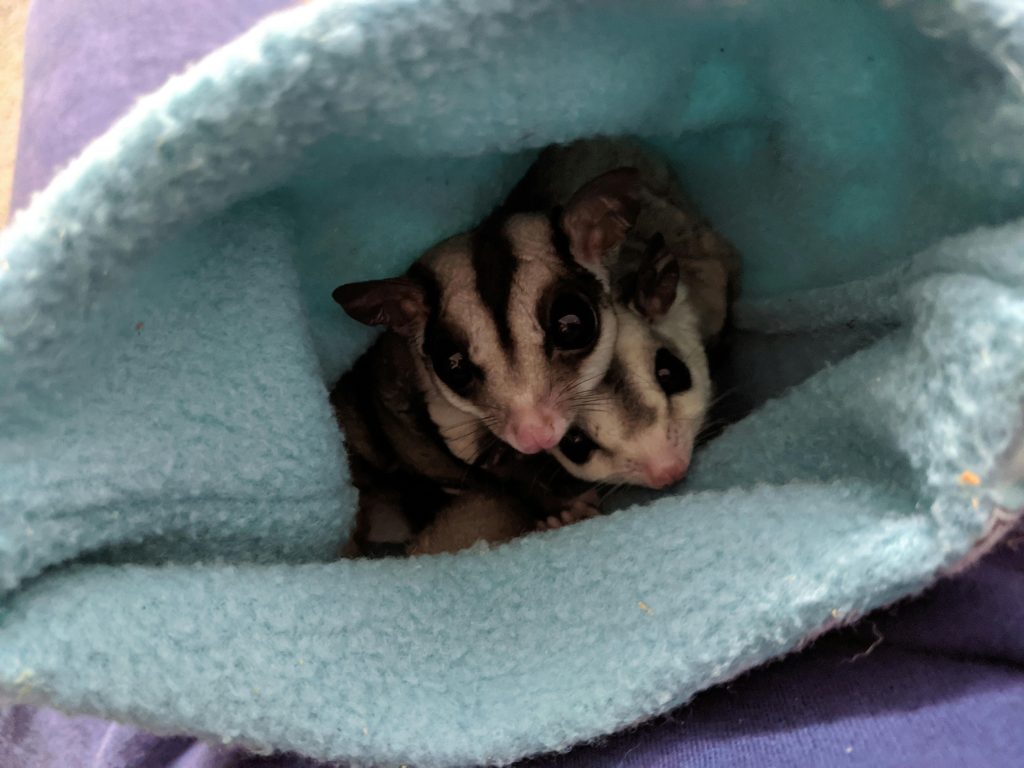
Building your own sugar glider cage saves money and ensures your pet has the right environment. Knowing how to build a sugar glider cage correctly is essential. You will control size, materials, and layout.
Sugar Glider Facts reports that gliders need tall cages with multiple levels. Small or poorly designed cages cause stress and health problems.
This guide covers cheap, large, wooden, and PVC cage options. It will give you step-by-step instructions and practical tips.
Why Build Your Own Cage
Buying pre-made cages can be expensive. DIY cages:
• Cost less
• Can be larger than store-bought cages
• Allow customization for toys, pouches, and climbing spaces
• Use safe materials
You will understand the sugar glider habitat facts to replicate a natural environment.
Essential Requirements for a Sugar Glider Cage
Before you start, consider:
• Height matters more than width
• Cage must be at least 24x24x36 inches for two gliders
• Bar spacing under 0.5 inches
• Strong materials for climbing and chewing
• Multiple levels for enrichment
These basics apply whether you use wood, PVC, or wire mesh.
How to Build a Cheap Sugar Glider Cage
If your budget is tight:
- Use recycled wooden crates or pallets
- Attach a metal wire mesh to the sides
- Add vertical supports using spare wood
- Include branches and ropes from around your home
- Cover the base with fleece or paper for easy cleaning
You get a safe, functional cage without spending much money.
How to Build a Large Sugar Glider Cage
Large cages need more planning:
• Use tall metal or wooden frames
• Add multiple shelves and climbing levels
• Install hanging pouches for sleeping
• Leave enough space for toys and exercise wheels
• Ensure easy access doors for cleaning and feeding
Sugar Glider Facts suggests gliders need vertical space for gliding and jumping.
How to Build a Sugar Glider Cage Out of Wood
Wood cages are traditional but need care:
• Choose untreated, non-toxic wood
• Avoid plywood with chemical glue
• Build a tall rectangular frame
• Add wooden platforms for climbing
• Cover with wire mesh on sides and top
• Sand edges to avoid splinters
Wood cages are sturdy but require more maintenance. Clean frequently to avoid odors and bacteria.
How to Build a PVC Pipe Sugar Glider Cage
PVC is lightweight and affordable:
- Cut PVC pipes to desired frame height
- Connect pipes with T-joints and elbows
- Cover with wire mesh securely
- Add horizontal and vertical bars inside for climbing
- Use zip ties or clips to fasten mesh
PVC cages are portable, easy to clean, and can be expanded. Avoid thin PVC that bends under weight.
Cage Accessories and Enrichment
Every cage needs:
• Sleeping pouches at different heights
• Climbing ropes and branches
• Exercise wheel with solid surface
• Foraging toys and food cups
Rotate accessories weekly to maintain interest. Enrichment prevents boredom and behavioral problems.
Cage Placement Tips
Where you place the cage matters:
• Keep away from direct sunlight
• Avoid drafty areas
• Maintain room temperature between 70°F and 85°F
• Place in quiet rooms with low disturbance
Stable conditions support glider health and activity.
Safety Considerations
Ensure:
• Wire spacing prevents escape
• No toxic paints or varnish
• Smooth edges to avoid cuts
• Secure doors and latches
Sugar Glider Facts emphasizes safety first. Improper construction causes injury or stress.
Maintenance Tips
Clean the cage weekly:
• Remove droppings and leftover food
• Wash fleece liners or replace paper
• Wipe bars and surfaces with pet-safe cleaner
• Check for loose screws or sharp edges
Proper maintenance keeps your sugar glider healthy and your cage long-lasting.
Budget-Friendly Material Ideas
• Recycled wooden crates
• PVC pipes and fittings
• Wire mesh from hardware stores
• Old furniture pieces converted into cages
• Spare ropes, branches, and pouches
You can build a functional large cage for a fraction of store prices.
Sugar Glider Habitat Facts to Remember
• Gliders are nocturnal and need vertical space
• They live in groups, not alone
• They climb, glide, and forage
• Temperature control between 70°F and 85°F is ideal
• Mental enrichment is as important as physical space
Use these facts to shape cage design and materials.
Conclusion
Knowing how to build a sugar glider cage allows you to save money and provide an ideal environment. Wooden and PVC cages both work if built correctly. Large cages with vertical space and enrichment improve glider health and happiness. Follow safety and maintenance tips to keep your pet thriving.
A proper DIY cage lets you match the glider’s natural habitat while controlling cost and size. Sugar Glider Facts recommends careful planning to ensure your cage meets all physical and behavioral needs.
FAQs
1. Can I build a sugar glider cage using wood?
Yes, untreated, non-toxic wood is safe. Cover sides with wire mesh and provide climbing platforms.
2. What is the cheapest way to build a sugar glider cage?
Use recycled wooden crates, PVC pipes, or old furniture, combined with wire mesh and home-made climbing accessories.
3. How big should a DIY sugar glider cage be?
At least 24x24x36 inches for two gliders. Taller cages support natural climbing and gliding.
4. Is PVC safe for sugar glider cages?
Yes, lightweight PVC works well. Ensure pipes are thick enough and mesh is securely fastened.
5. What accessories are necessary for a DIY cage?
Sleeping pouches, climbing ropes, branches, exercise wheel, and foraging toys support both mental and physical health.