Sugar Glider Care: Temperature, Handling & Health

Temperature Handling Sugar Glider

Sugar gliders are some of the most adorable and fascinating exotic pets you can have. These small, nocturnal marsupials from Australia, New Guinea, and Indonesia have captivated pet owners with their wide eyes, gliding ability, and affectionate behavior.

However, owning a sugar glider comes with great responsibility. Their care involves proper environmental conditions, especially temperature control, and gentle, consistent handling.
In this comprehensive guide, we’ll explore the vital aspects of sugar glider care, focusing on how to handle them safely, maintain the ideal temperature for their health, and build a lasting bond. Whether you’re a first-time glider owner or a seasoned caretaker, this 2,599+ word guide is your go-to resource.

Table of Contents

What Are Sugar Gliders?

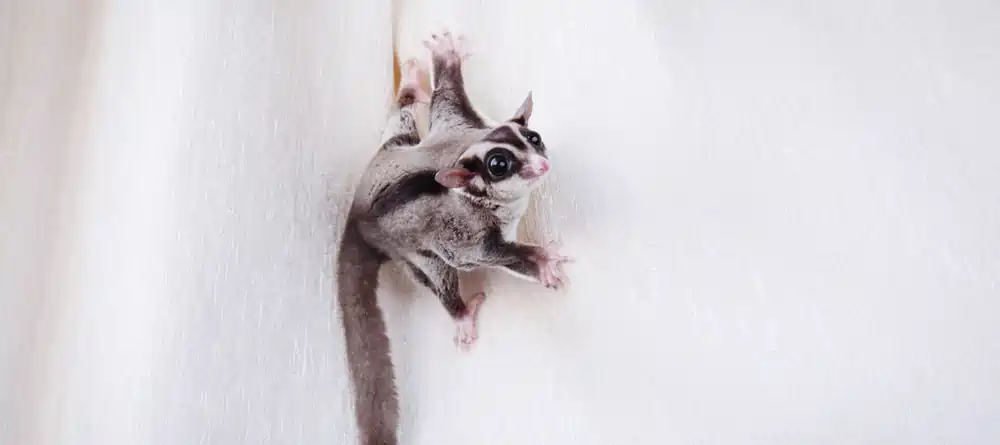
Sugar gliders (Petaurus breviceps) are tiny, tree-dwelling marsupials that are closely related to kangaroos and koalas. Named for their love of sweet sap and their ability to glide between trees, sugar gliders have become increasingly popular as exotic pets in many parts of the world.

Physical Characteristics

  • Weight: 4 to 5 ounces
  • Size: 5 to 7 inches (body), with a tail of similar length
  • Lifespan: 10-15 years in captivity
  • Colors: Gray fur with a black dorsal stripe and a cream-colored underside

Despite their size, sugar gliders require a significant amount of care to ensure they remain happy and healthy. One of the most critical factors? Temperature.

The Importance of Temperature in Sugar Glider Care

Sugar gliders are sensitive creatures, particularly when it comes to the climate. Since they originate from warm, tropical regions, their bodies are not well-equipped to handle cold environments. In captivity, maintaining a suitable and stable temperature is crucial to prevent stress, illness, or even death.

Why Is Temperature So Vital?

Maintaining a consistent and warm environment is non-negotiable for sugar glider care. Ideally, sugar gliders should be kept in a room with a temperature ranging between 75°F and 80°F (24°C to 27°C).

  • Metabolism regulation: Temperature affects their metabolic rate, activity levels, and digestion.
  • Immune system function: Exposure to cold can weaken their immune system.
  • Comfort and mood: Cold temperatures can make sugar gliders lethargic, grumpy, or fearful.

Why Is Temperature So Vital?

  • Avoid placing their cage near windows, vents, or drafts.
  • Use a digital thermometer to monitor room temperature.
  • Consider heat lamps or ceramic heat emitters during colder months, but never use heated rocks or direct heat sources inside the cage.
sugar-glider-sleep

What Happens If Sugar Gliders Get Too Cold or Too Hot?

Sugar gliders don’t tolerate temperature extremes well. Here’s what happens when the temperature shifts beyond their comfort zone.

Signs of Cold Stress:

In extreme cases, prolonged exposure to cold can lead to torpor, a state similar to hibernation, where their body functions slow down dramatically. This is dangerous and may be fatal if not corrected immediately.

Signs of Overheating:

Overheating is just as dangerous and can quickly lead to heat stroke if not addressed promptly.

Handling Sugar Gliders: Building Trust and Comfort

Sugar gliders are social animals, and with time and patience, they can form deep bonds with their human caregivers. However, improper handling can stress or even injure them.

Basic Guidelines for Handling:

  • Handle your glider only after it has bonded with you.
  • Always approach them slowly and speak softly.
  • Use clean, scent-free hands or bonding pouches.
  • Never grab or restrain them forcefully.

When Are Sugar Gliders Most Receptive to Handling?

Gliders are nocturnal, meaning they’re most active at night. However, brief handling during the day (while they’re in their pouch) can help with bonding. Just keep it calm and gentle.

Holding a Sugar Glider in Your Hands: What to Expect

The first time you hold a sugar glider in your hand is a magical moment, but also a delicate one. Here’s how to do it safely.

How to Hold a Sugar Glider:

  1. Let them come to you: Use treats or soft cooing sounds to invite them.
  2. Support their body: Place your palm under them and cup gently.
  3. Keep it low: Sit on the floor to avoid injuries in case they jump or fall.
  4. Stay calm: Sudden movements or noises can startle them.
Over time, your sugar glider will learn that your hand is a safe and familiar place.

Sugar Gliders and Human Hands: Are They Safe?

It’s completely safe to hold a sugar glider in your hands if you follow the right approach. That said, you should always wash your hands before and after handling to avoid transferring oils, scents, or bacteria.

Things to Avoid:

  • Handling while your hands smell of food or strong scents
  • Picking up a sleeping sugar glider without warning
  • Holding them tightly or by the tail
Sugar gliders have delicate bones and sensitive skin, especially on their gliding membrane (patagium), so always use a gentle touch.

Tips for Bonding With Your Sugar Glider

Bonding is the cornerstone of a positive sugar glider relationship. It builds trust, reduces stress, and makes handling more enjoyable.

Proven Bonding Tips:

  • Use a bonding pouch: Carry your glider close to your body during the day.
  • Speak to them: Use a consistent tone to let them recognize your voice.
  • Offer treats: Use small pieces of apple, honey, or mealworms.
  • Allow exploration: Let them explore your hands and arms on their own terms.
  • Be patient: Bonding can take weeks or even months.
Never rush the process; gliders bond best when they feel safe and in control.

Creating a Temperature-Controlled Environment

Sugar gliders are most comfortable in environments that mimic their natural tropical habitat. Here’s how to achieve that at home.

Tools You Can Use:

  • Thermostat-controlled heaters: Keep ambient temperature stable.
  • Ceramic heat emitters: Safe for 24/7 heating without light.
  • Heating pads (under the cage): For subtle warmth, especially at night.
  • Insulated cages and pouches: Retain heat and provide comfort.
  • Humidity control: Maintain moderate humidity to avoid skin dryness.
Always ensure any heating elements are safe, pet-approved, and placed outside the cage to prevent burns or accidents.

Frequently Asked Questions

Can sugar gliders sleep in your hand?

Always ensure any heating elements are safe, pet-approved, and placed outside the cage to prevent burns or accidents.

Anything below 70°F (21°C) can be too cold and may cause stress or illness. Aim to keep their environment within the 75–80°F range.
Sugar gliders may nip if frightened, unbonded, or stressed. Bonding and consistent handling usually eliminate this behavior.
Watch for signs like panting, drooling, or lying flat. These can signal overheating and require immediate cooling and veterinary advice.
Yes, especially if layered or in warm rooms. Avoid wrapping them in heavy fabrics and always monitor temperature closely.

Final Thoughts: Comfort, Warmth, and Trust

Caring for a sugar glider is a long-term commitment that combines science and affection. Temperature and handling are two of the most critical components of glider wellness. By keeping your sugar glider within a safe temperature range and learning to handle them with love and care, you create a nurturing environment where they can thrive.

Remember: the warmth of your hand, both physically and emotionally, can be the most comforting place a sugar glider knows.

Favicon

Hello! I am Bella James

Bella James is a knowledgeable content writer with a strong focus on pet care fields, particularly exotic animals like sugar gliders. With years of experience she specializes in delivering informative articles on sugar glider behavior, diet, health, and habitat. Bella combines accurate research with captivating storytelling to educate pet owners.

Need Help!

This website gave me everything I needed as a new sugar glider owner, reliable care tips, bonding advice, and diet info. Truly a trusted, helpful resource!